
Istanbul, Cappadocia, Ephesus and Pamukkale: sites, religion, language, food, climate, entry rules and safety advice for planning a first trip to Turkey.
The country
Straddling two continents, Turkey combines East Thrace, about 3% of its land, with the high Anatolian plateau, bordered by the Black Sea, the Sea of Marmara, the Aegean and the Mediterranean. Hittites, Greeks, Romans and Byzantines came and went before the Ottomans took Constantinople in 1453. Atatürk proclaimed the Republic on 29 October 1923, with Ankara as its capital. Since 2022 the United Nations has used the name Türkiye at Ankara's request.
According to the statistics office TÜİK, the country had 86.1 million inhabitants at the end of 2025, 15.8 million of them in Istanbul province. Industry, services, tourism and a strong farm sector drive the economy: Turkey grows around 70% of the world's hazelnuts, on the slopes above the Black Sea. Inflation has run high for several years, so prices in lira shift from one month to the next.
At a glance
- Capital
- Ankara
- Area
- 783,562 km²
- Population
- 86.1 million (TÜİK, end of 2025)
- Official language
- Turkish
- Main religion
- Sunni Islam, secular state
- Currency
- Turkish lira (TRY)
- Time zone
- UTC+3 all year round
- Dialling code
- +90
- Electricity
- 230 V, type C and F plugs
Turkey
Sights and visits
Hagia Sophia and the Blue Mosque
Justinian inaugurated Hagia Sophia in 537; a mosque again since 2020, it faces the Blue Mosque (1609-1617) and its more than 20,000 İznik tiles.
Topkapı Palace and the Grand Bazaar
Mehmed II began Topkapı in 1459, home to the sultans for nearly four centuries; nearby, the Grand Bazaar packs in more than 4,000 shops and closes on Sundays.
The Bosphorus
From Eminönü, public ferries sail up the strait between Europe and Asia, past palaces, fortresses and yalı, the wooden mansions at the water's edge.
Cappadocia
At Göreme, monks carved frescoed churches into the fairy chimneys; underground, Derinkuyu reaches a depth of about 85 m, and balloons lift off at dawn.
Konya and Rumi's mausoleum
The mystic poet Rumi, revered by the whirling dervishes, has lain beneath the green dome of the Mevlâna Museum since 1273; Konya honours him every 17 December.
Antalya and the Lycian coast
Antalya keeps its walled old town, Kaleiçi; to the west, the Lycian Way links coves, the rock tombs of Myra and the UNESCO-listed cities of Xanthos and Letoon.
Pamukkale and Hierapolis
Walk barefoot over white travertine terraces some 160 m high, then climb to Hierapolis, founded in the 2nd century BC, and its pool of submerged columns.
Ephesus and the House of the Virgin Mary
The marble streets of Ephesus lead to the Library of Celsus (2nd century) and the Great Theatre; near Selçuk, the House of the Virgin Mary receives pilgrims.

Turkey on the map
Religion
Sunni Islam is the faith of most Turks, alongside a large Alevi minority; Istanbul is also home to the Ecumenical Patriarchate of Constantinople and a long-established Jewish community. The Constitution has defined the Republic as secular since 1937. The call to prayer sounds five times a day: visit mosques outside prayer times (avoid Friday midday), with shoulders and knees covered, shoes off and, for women, hair covered. During Ramadan, restaurants and sites stay open in tourist areas.
Language
Turkish, the official language, has used a 29-letter Latin alphabet since 1928: c sounds like the j in jam, ç like ch, ş like sh, and the dotless ı like the a in about. Kurdish is the mother tongue of millions, mainly in the south-east. Hotel, restaurant and site staff speak English, often German or Russian on the Antalya coast; elsewhere, a translation app helps.
A few useful words
- Hello
- Merhaba (MEHR-ha-ba)
- Thank you
- Teşekkür ederim (teh-shek-KEWR eh-deh-RIM)
- Please
- Lütfen (LEWT-fen)
- Yes / no
- Evet / Hayır (eh-VET / HAI-uhr)
- How much is it?
- Ne kadar? (neh ka-DAR)
Food and drink
Turkish cooking blends the legacy of the steppes, Ottoman refinement and Mediterranean produce: a generous kahvaltı for breakfast, slow-cooked stews in lokanta at lunch, meze and grilled fish in meyhane at night, spicier kebabs in the east. Drink bottled water. Beer, wine and rakı, the aniseed spirit you cut with water, are easy to find, though shops stop selling alcohol at 10 pm. Tea, served in small glasses, comes with every conversation.
What to try
İskender kebap
A Bursa classic: thin slices of spit-roasted lamb on pide bread, with tomato sauce, melted butter and yoghurt.
Mantı
Tiny meat dumplings from Kayseri, served under garlic yoghurt and chilli butter.
Testi kebabı
In Cappadocia, meat and vegetables slow-cook in a sealed clay jar that the waiter cracks open at your table.
Baklava
Pastry, pistachios and syrup: in 2013 Gaziantep baklava became the first Turkish product with EU protected geographical indication.
Turkish coffee
Boiled with its grounds, it has been on UNESCO's intangible cultural heritage list since 2013.
Climate
The Aegean and Mediterranean coasts have hot, dry summers and mild winters: in Antalya, average highs climb from 15°C in January to 34°C in July. Istanbul's highs range from about 10°C in winter to 30°C in summer. In Cappadocia, above 1,000 m, January nights drop below -3°C and snow is common; in the south-east, July highs in Şanlıurfa near 39°C. Take a hat and water to shadeless ancient sites.
Best time to goApril to June and September to October, when Istanbul, the ancient sites and Cappadocia escape both the summer heat and the winter cold.
Turkey
Practical information
Entry requirements
Citizens of the EU (except Cypriot passport holders), Switzerland, the UK, Canada and the US enter visa-free for 90 days in any 180, with a document valid for at least 150 days from arrival. Turkey accepts national ID cards from French and Spanish travellers, but Paris advises a passport; other Europeans should check the Turkish ministry site, mfa.gov.tr. British, Canadian and American travellers need a passport. Other nationalities: evisa.gov.tr. Check with the Turkish embassy before you travel.
Health
Turkey requires no vaccinations; make sure routine jabs, including measles, are up to date and ask your doctor about hepatitis A or rabies. Drink bottled water and seek care at once after any stray-dog bite. Neither the EHIC nor the UK GHIC is valid in Turkey, so take out insurance covering medical costs and repatriation.
Money
The currency is the Turkish lira (TRY, ₺), and inflation moves prices fast: withdraw cash as you go from bank ATMs and pay by card in cities, keeping cash for bazaars. State museums quote foreign visitors' prices in euros. Tipping is optional: 5 to 10% in restaurants when service is not included. In the bazaar, haggling is expected.
Customs and dress
Cover shoulders and knees in mosques and conservative neighbourhoods, and take your shoes off in homes. Always carry photo ID. Insulting the nation, the flag, the president or Atatürk can bring a prison sentence, online posts included; photographing military sites and exporting antiquities are also illegal. An old carpet can only leave the country with a museum certificate.
Getting around
More than 700 km of road separate Istanbul from Cappadocia, so domestic flights link Istanbul with Kayseri or Nevşehir, İzmir (for Ephesus), Denizli (for Pamukkale) and Antalya in 1 to 1.5 hours. High-speed trains link Istanbul with Ankara and Konya, and comfortable coaches leave from every otogar. In Istanbul, an Istanbulkart covers trams, metro and ferries; in taxis, insist on the meter.
Safety
The UK advises against all travel within 10 km of the Syrian border; France advises against the immediate Syrian and Iraqi border areas and, except for essential travel, the provinces of Hatay, Kilis, Gaziantep, Şanlıurfa, Mardin, Diyarbakır and Batman. The sites in this guide lie outside these areas. Given the high terrorist threat, earthquakes and summer wildfires, check your foreign ministry's advice before booking and before leaving. Emergency number: 112.
Turkey: your questions before you go
Do I need a visa for Turkey?
No visa is needed for holders of British, US, Canadian, French, Spanish, Belgian or Swiss passports, who can stay for up to 90 days in any 180-day period. Mexican citizens, by contrast, need one. Check your nationality on the visa list of the Turkish Ministry of Foreign Affairs, mfa.gov.tr. If you need an e-visa, apply only on the official site, evisa.gov.tr, and pay by card. Work and study always require a visa from a Turkish consulate.
Which travel document do I need for Turkey?
A passport valid for at least 150 days from the date you enter Turkey, which is 60 days beyond the 90-day visa-free stay. It must be in good condition, since a damaged document can mean refused entry, and British travellers also need one blank page. French and Spanish citizens can enter with a national identity card, but a passport is the safer choice. Spain asks for six months of validity, so aim for six months to be safe.
Is any vaccination required for Turkey?
No, Turkey requires no vaccination for entry. Make sure your routine vaccines are up to date, measles included, and ask your doctor or a travel clinic whether you need hepatitis A, typhoid or rabies cover, depending on how long and how you travel. Before you leave, also check that your insurance covers medical costs, hospital stays included, and repatriation: without it, getting treatment can become difficult.
Can I bring my medicines into Turkey?
Yes, in a reasonable quantity for the length of your stay and in their original packaging. Keep your doctor's prescription to hand, as border officials may ask for it. If you travel with needles, syringes or injector pens, carry a doctor's letter in English explaining what they are for. Methadone is not permitted in Turkey, and controlled drugs are prohibited.
Speak to an expert
A journey arranged on request
This country has no tour online yet. Tell us your dates, your pace and what draws you: we design the itinerary, on its own or as an extension to a journey in Egypt.
More countries to discover
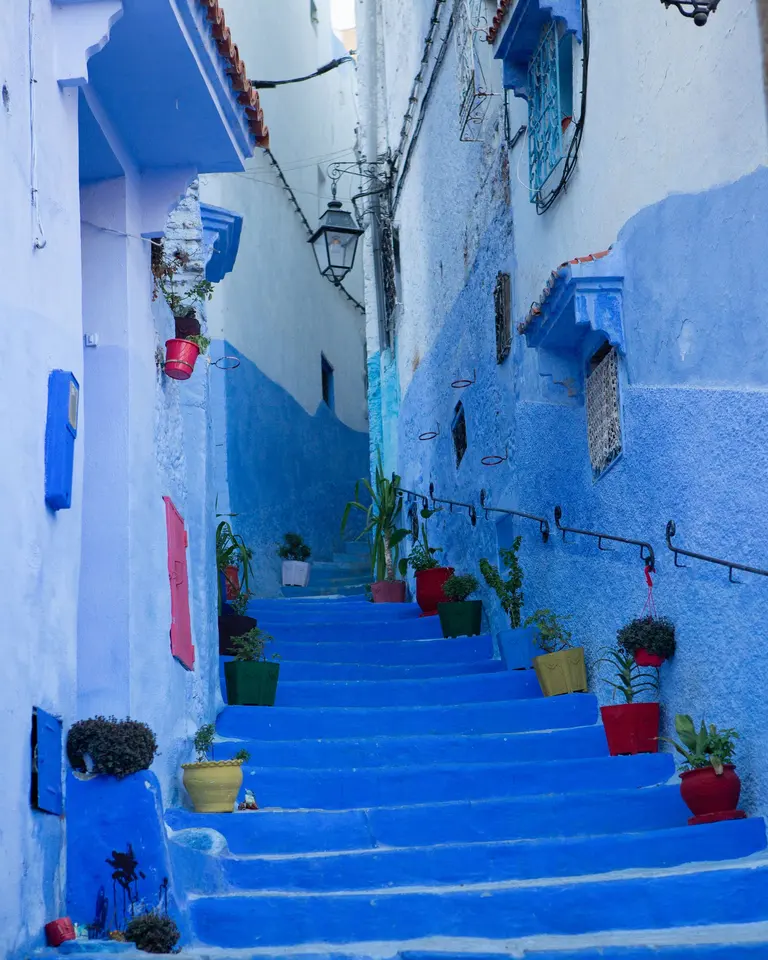
Tailor-made travel
Morocco
Medinas, the Atlas and the desert: Morocco at a glance, with entry rules, languages, climate and tips, then your tailor-made trip request by email.
Discover the country
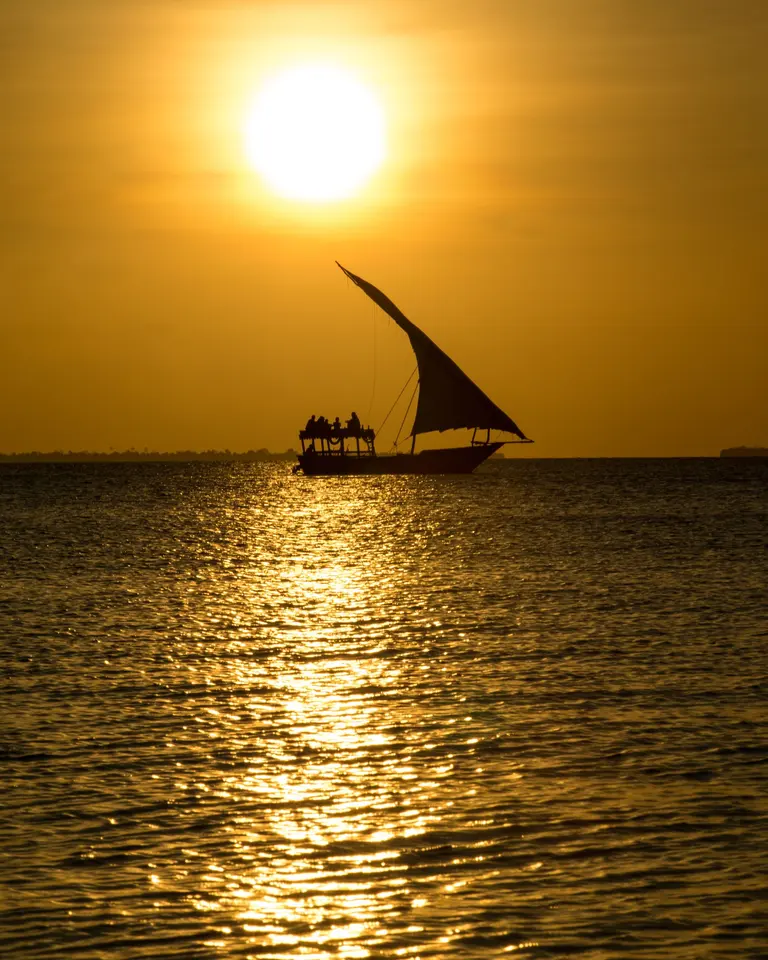
Tailor-made travel
Tanzania
The Serengeti, Kilimanjaro and the beaches of Zanzibar: Tanzania at a glance, with entry rules, languages, climate and tips for a tailor-made trip.
Discover the country
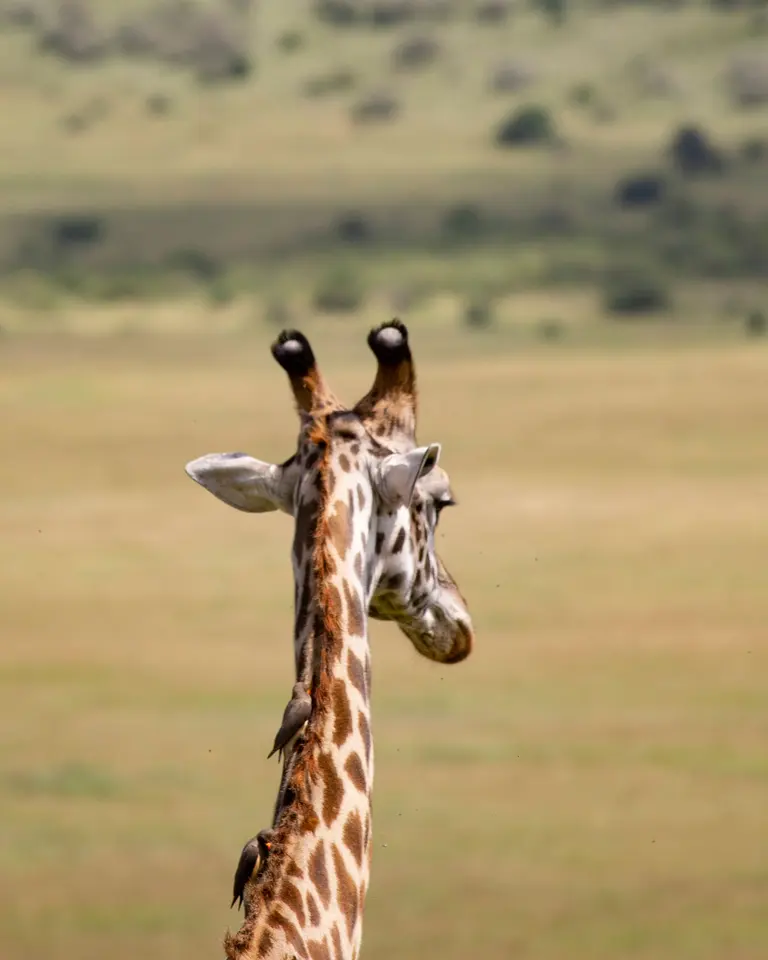
Tailor-made travel
Kenya
Masai Mara safaris, the Swahili coast and the Indian Ocean: Kenya at a glance, with entry rules, languages, climate and tips for a tailor-made trip.
Discover the country
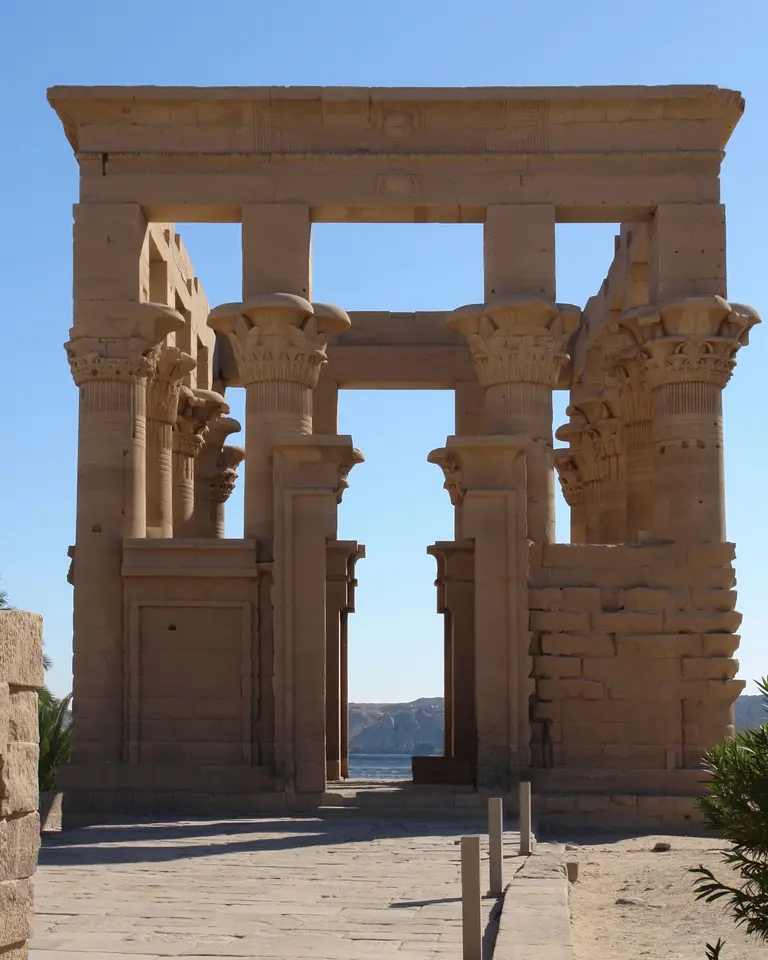
Country guide
Egypt
Pyramids, Nile temples, the White Desert and the Red Sea: our Egypt guide covers visas, climate, language, food and the sites of a first journey.
Read the guide
Country guide
Jordan
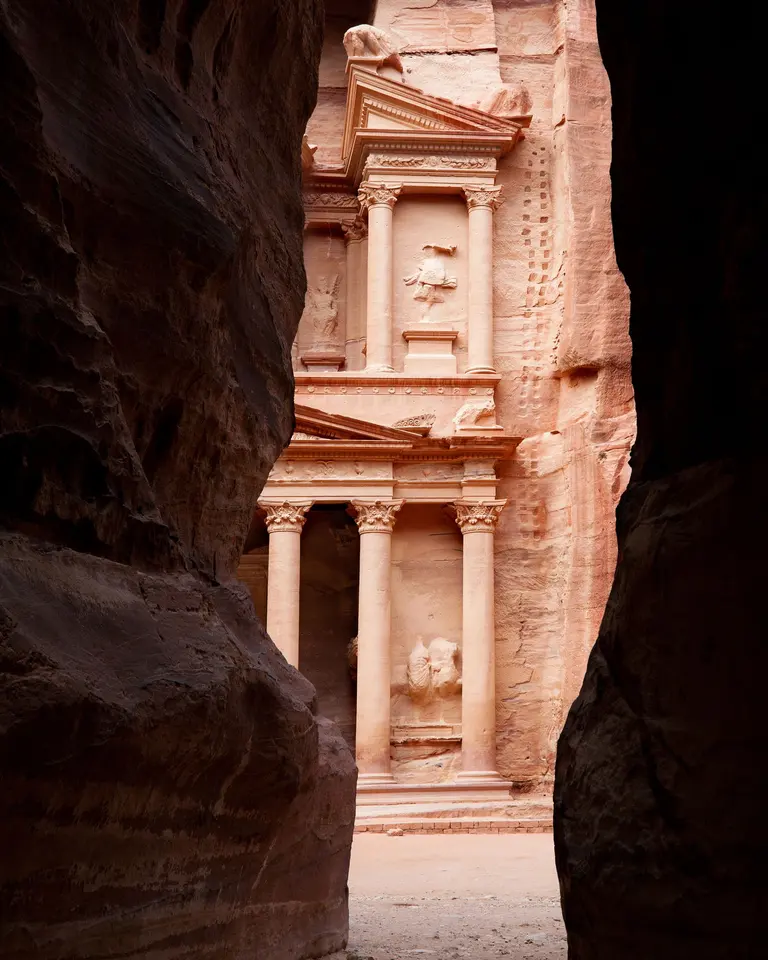
Petra and its Siq, Wadi Rum, the Dead Sea, Jerash and Amman: sites, climate, food, language, visas, the Jordan Pass and safety for planning a trip to Jordan.
Read the guide
Country guide
The Holy Land
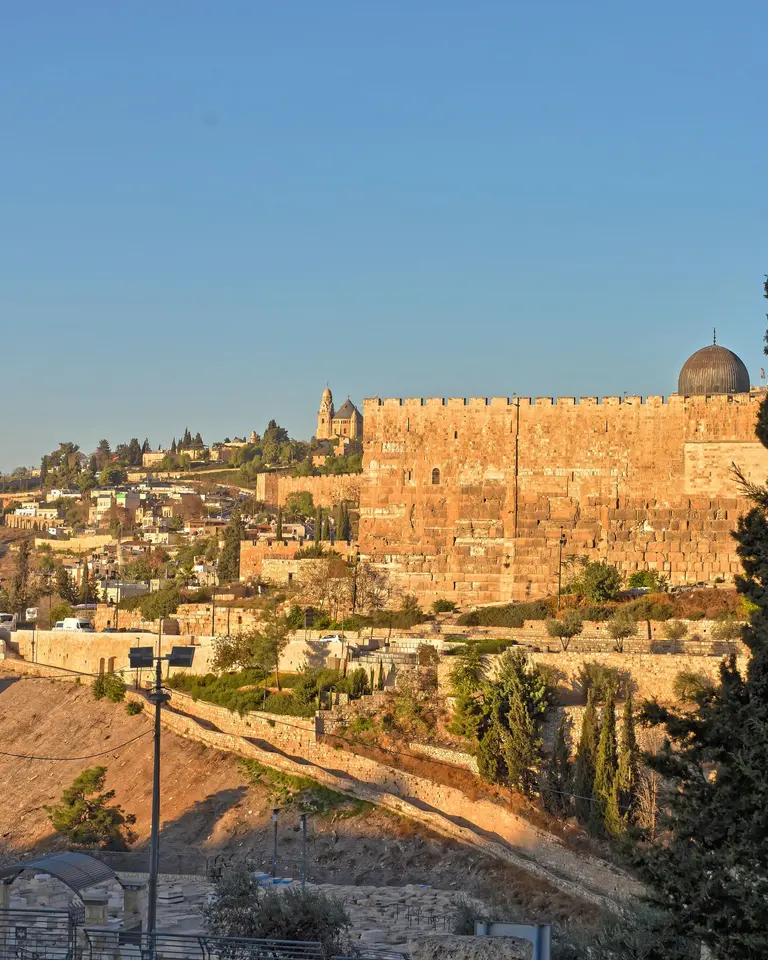
Jerusalem, Bethlehem, Nazareth and the Dead Sea: our Holy Land guide covers entry rules, climate and food, with the official safety advice to check first.
Read the guide


