
Medinas, the Atlas and the desert: Morocco at a glance, with entry rules, languages, climate and tips, then your tailor-made trip request by email.
The country
Morocco had 36.8 million inhabitants at the 2024 census. Sunni Islam, the state religion and the faith of more than 99% of Moroccans, sets the rhythm of the day, from the call to prayer to the Ramadan fast. Arabic and Amazigh are the official languages, but the street speaks Darija, Moroccan Arabic. Arab, Amazigh, Andalusian and Jewish heritage shows in the medinas of Fes and Marrakech, in their zellige tilework and craft souks. At the table, tagines simmer for hours, couscous brings the family together on Fridays, and mint tea comes with every visit.
No set itinerary
Every journey to this country is arranged on request. Send us your dates and wishes: we reply within 24 hours.
Email us your requestMorocco
Practical essentials
Entry requirements
Citizens of the United Kingdom and Canada enter without a visa for a tourist stay of up to 90 days. Citizens of the European Union, Switzerland and the United States normally enjoy the same exemption: check it with a Moroccan consulate or in your government's travel advice before you book. A passport is required, on organised tours too: a national identity card alone is no longer accepted. The passport must be valid for your whole stay; allow six months to be safe. A minor travels on their own passport and, when travelling with one parent only, the other parent's written consent is advisable. No vaccination is required for entry.
Languages spoken
Arabic and Amazigh are the official languages. In daily life nine Moroccans in ten speak Darija, and one in four an Amazigh language, mainly in the Rif, the Atlas and the Souss. French remains the language of business, government and hotels, and more than half the population reads and writes it. Spanish is heard in the north, from Tangier to Tetouan, and English is gaining ground among the young. Two words of Darija are enough to start a conversation: “salam” to greet, “shukran” to say thank you.
Climate
Spring, from March to May, and autumn, from September to November, suit the whole country. Summer is scorching in Marrakech and the south, often above 40°C, while the breeze keeps the Atlantic coast mild, from Essaouira to Agadir. In winter, days stay pleasant in Marrakech, snow covers the Atlas and desert nights around Merzouga drop close to 0°C. Most rain falls from October to April, in the north and along the coast.
Travel advice
Away from beaches and hotels, clothing that covers shoulders and knees is appreciated. Most mosques are closed to non-Muslims; you can visit the Hassan II Mosque in Casablanca with a guide. Ask before photographing anyone, and never photograph military sites or the police. In the souks, bargaining is part of the exchange. The dirham can only be exchanged in Morocco, so keep your receipts to change back what is left when you leave. During Ramadan, some restaurants close by day and alcohol is not sold.

Morocco on the map
Morocco: your questions before you go
Do I need a visa for Morocco?
No, British and Canadian citizens can visit for up to 90 days without a visa, and the same exemption normally applies to EU, Swiss and US citizens: confirm it with a Moroccan consulate. Border police may ask for your return ticket and proof that you can support yourself during your stay. Before leaving the desk, check that your passport has been stamped, as travellers without an entry stamp have had trouble leaving the country.
Can I enter Morocco with an identity card?
No, you need a passport, even on an organised tour. It must be valid for your whole stay, and governments set different margins: three months after arrival for British travellers, six months beyond departure for Canadians. Allow six months to be safe, and make sure the passport is undamaged, since a damaged one can be refused.
What papers does a child need to travel to Morocco?
Their own passport, whatever their age. When travelling with both parents, bring a copy of the birth certificate to prove the relationship. A child travelling with one parent alone should carry the other parent's written consent, and a divorced parent a copy of the custody ruling; confirm this with the Moroccan consulate. Under Moroccan law, a parent can prevent a child from leaving the country, so put these papers in order before you go.
Is any vaccination or prescription required for Morocco?
No vaccination is required for travellers arriving from Europe or Canada, according to the travel advice consulted, and proof of yellow fever vaccination is not needed. Medicines need more care: some common anxiety and pain medicines can be classed as illegal substances there. Carry them in their original packaging, with the prescription and, if possible, a short signed letter from your doctor. Ask a travel clinic about recommended vaccines such as hepatitis A.
Can I bring a drone to Morocco?
No, unless you hold prior authorisation for a specific professional use. A drone found in your luggage will be confiscated by customs, and its owner fined. Leave it at home, and ask before photographing anyone: the medinas and Atlas villages can be explored without one.
Speak to an expert
Your tailor-made journey
Tell us when you plan to travel, how many of you there are, what draws you and the budget you have in mind. The email opens with these questions already written: all you need to do is answer them.
If your email app does not open, write to us at booking@solviatours.com
Write to us · WhatsApp +20 111 112 3044
Reply within 24 h · 7 days a week
More countries to discover
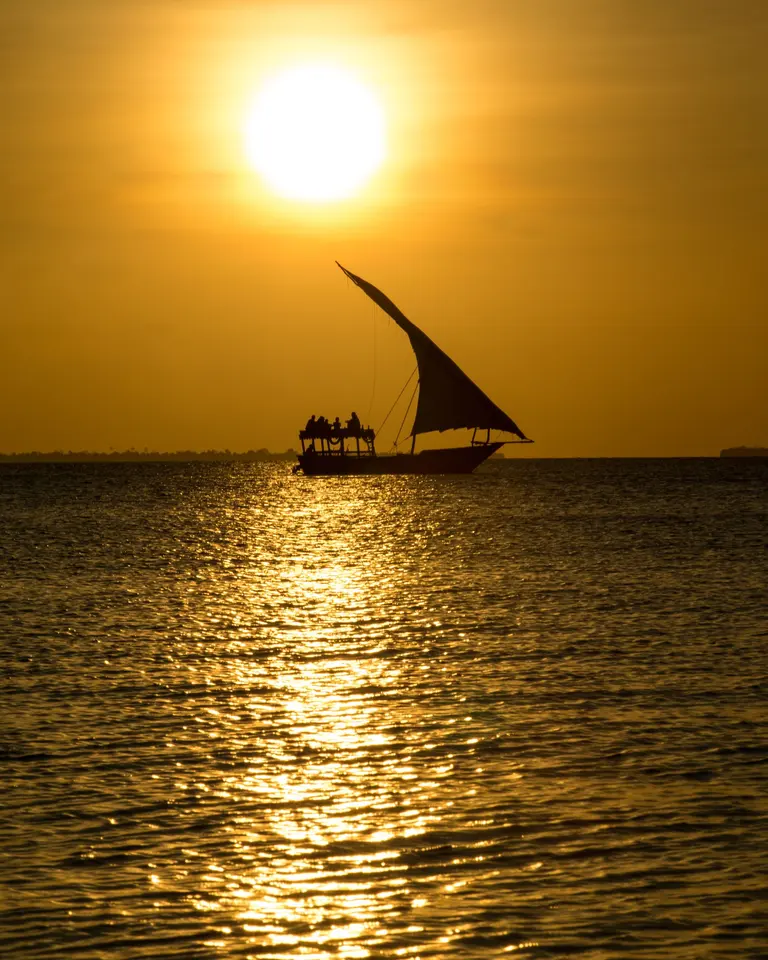
Tailor-made travel
Tanzania
The Serengeti, Kilimanjaro and the beaches of Zanzibar: Tanzania at a glance, with entry rules, languages, climate and tips for a tailor-made trip.
Discover the country
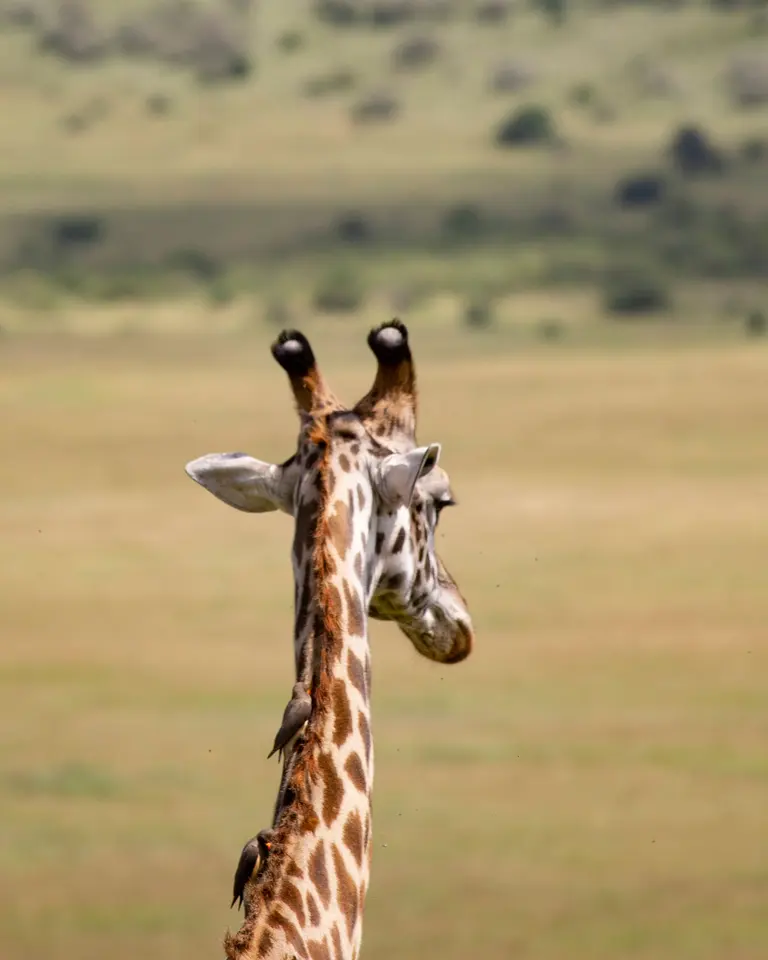
Tailor-made travel
Kenya
Masai Mara safaris, the Swahili coast and the Indian Ocean: Kenya at a glance, with entry rules, languages, climate and tips for a tailor-made trip.
Discover the country
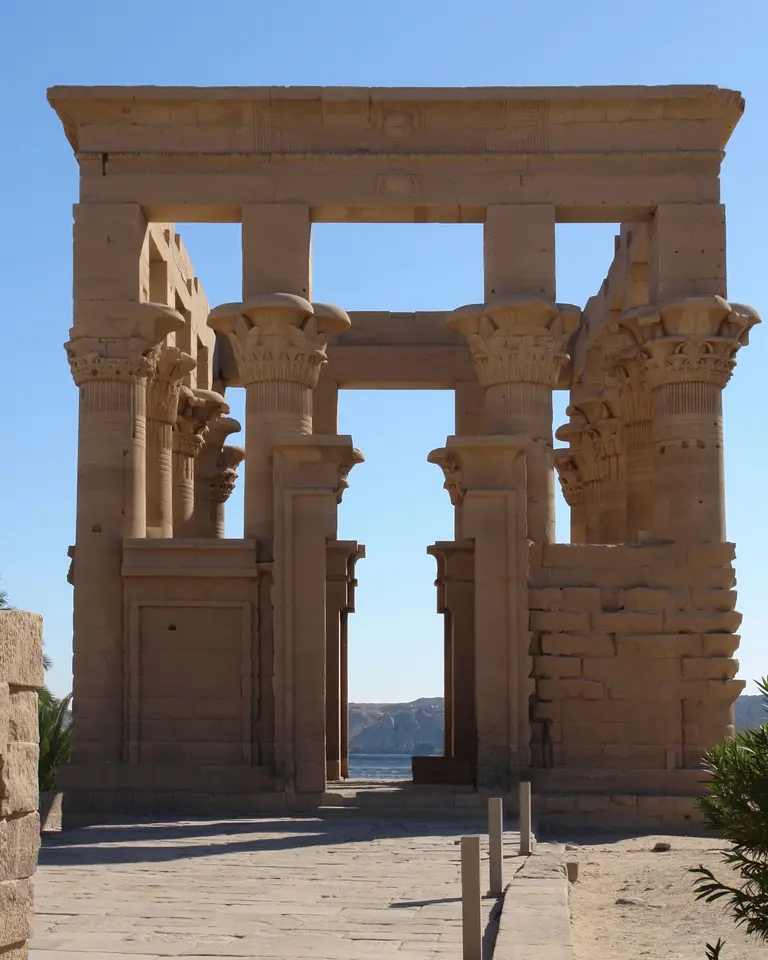
Country guide
Egypt
Pyramids, Nile temples, the White Desert and the Red Sea: our Egypt guide covers visas, climate, language, food and the sites of a first journey.
Read the guide
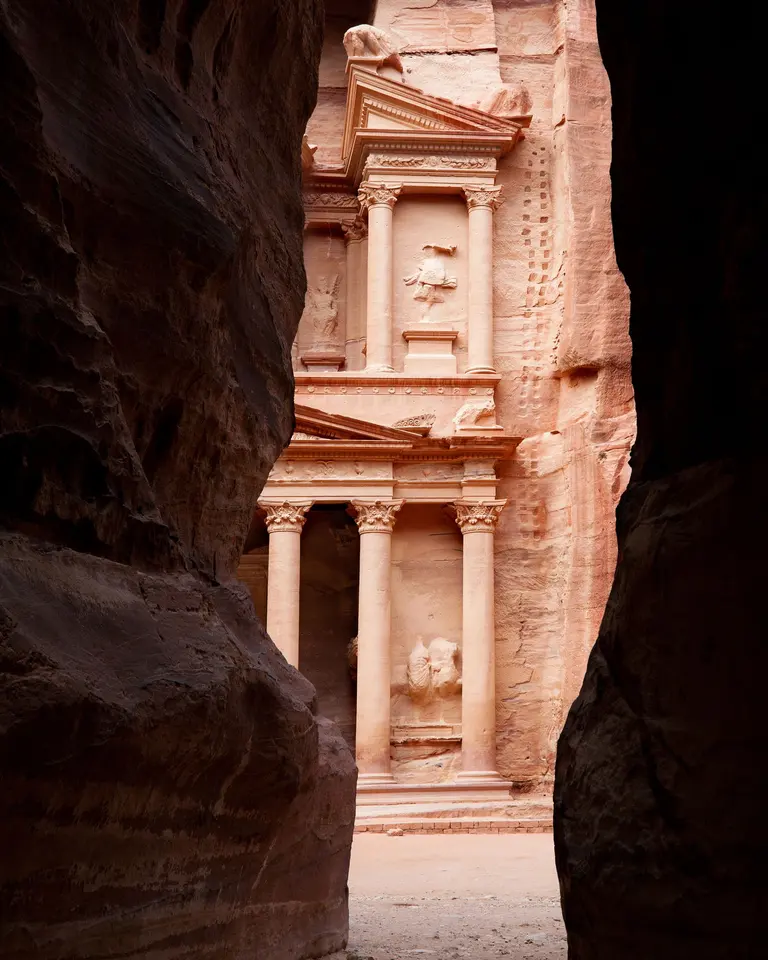
Country guide
Jordan
Petra and its Siq, Wadi Rum, the Dead Sea, Jerash and Amman: sites, climate, food, language, visas, the Jordan Pass and safety for planning a trip to Jordan.
Read the guide
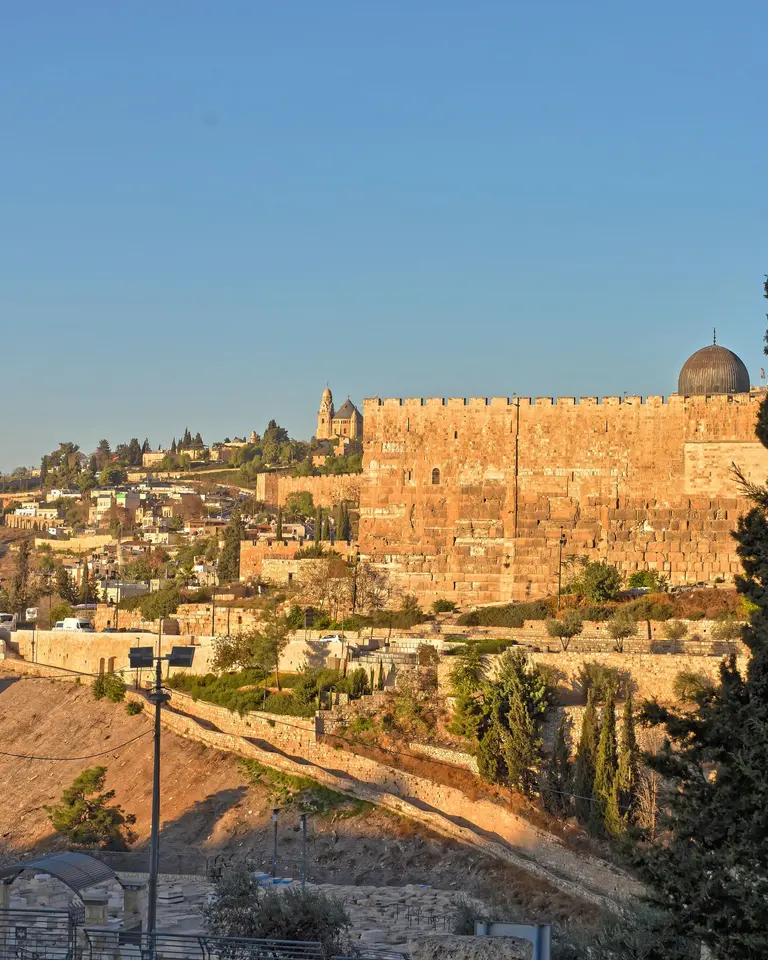
Country guide
The Holy Land
Jerusalem, Bethlehem, Nazareth and the Dead Sea: our Holy Land guide covers entry rules, climate and food, with the official safety advice to check first.
Read the guide
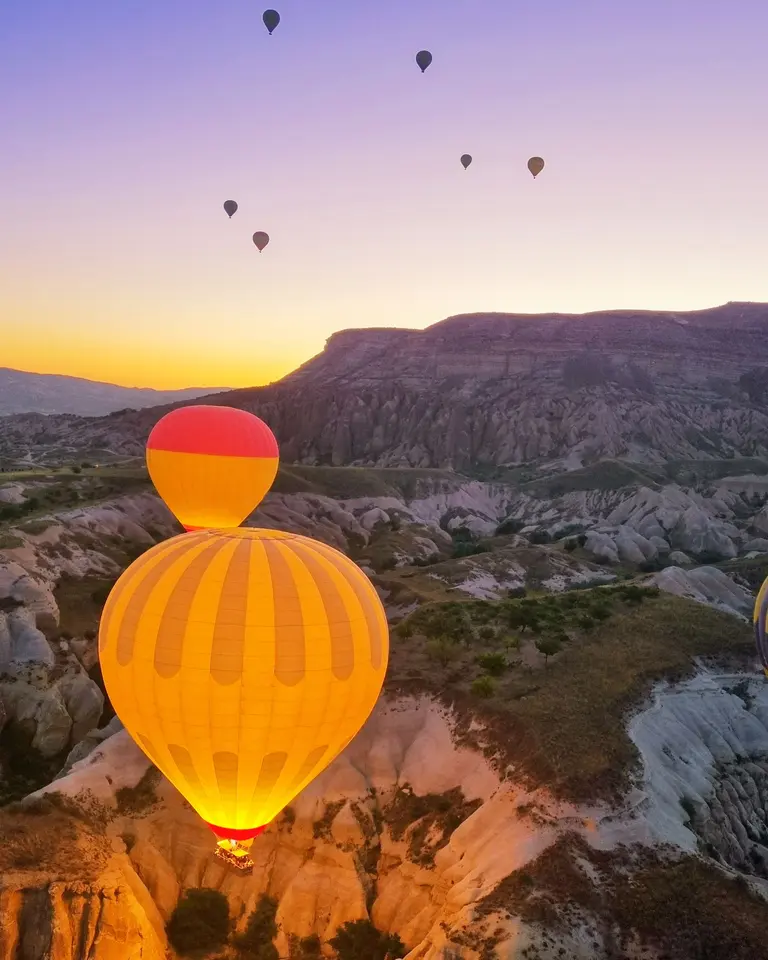
Country guide
Turkey
Istanbul, Cappadocia, Ephesus and Pamukkale: sites, religion, language, food, climate, entry rules and safety advice for planning a first trip to Turkey.
Read the guide


