
Petra and its Siq, Wadi Rum, the Dead Sea, Jerash and Amman: sites, climate, food, language, visas, the Jordan Pass and safety for planning a trip to Jordan.
The country
Jordan covers 89,342 km² between Syria, Iraq, Saudi Arabia, Israel and the West Bank. In the west, the Jordan Valley drops to the Dead Sea, around 440 metres below sea level. A plateau of 700 to 1,100 metres carries Amman and Madaba, while desert fills the east and south, down to the sandstone of Wadi Rum. In the far south, Aqaba opens onto the Red Sea.
Petra was the Nabataean capital until Rome annexed the kingdom in 106; Byzantines, Umayyads, Crusaders and Ottomans followed. The Hashemite kingdom became independent in 1946, and Abdullah II has reigned since 1999. Around 12 million people live here, nearly 5 million of them in Greater Amman, among them many Palestinian and Syrian refugees. Water is scarce, so use it sparingly, hotels included.
At a glance
- Capital
- Amman
- Area
- 89,342 km²
- Population
- About 12 million (Jordan DoS, 2026)
- Official language
- Arabic
- Main religion
- Sunni Islam
- Currency
- Jordanian dinar (JOD)
- Time zone
- UTC+3 all year round
- Dialling code
- +962
- Electricity
- 230 V, plugs C, D, F and G
Jordan
Sights and visits
Amman: the Citadel and the Roman Theatre
On Citadel Hill, the so-called Temple of Hercules (2nd century) and an Umayyad palace overlook the city, with the Roman theatre cut into the slope below.
Jerash
Some 50 kilometres north of Amman, ancient Gerasa keeps Hadrian's Arch (129), a colonnaded oval plaza and an 800-metre main street.
Madaba and Mount Nebo
In Madaba, a 6th-century mosaic traces the oldest surviving map of the Holy Land, while nearby Mount Nebo, linked to Moses, overlooks the Jordan Valley.
Petra: the Siq, the Treasury and the Monastery
At the end of the Siq, a gorge over a kilometre long, the 1st-century Khazneh appears, and more than 800 steps climb to the Monastery (Ad-Deir).
Little Petra (Siq al-Barid)
About ten kilometres north of Petra, this Nabataean caravan suburb hides a Painted House whose ceiling of vines dates back some two thousand years.
Wadi Rum
Sandstone cliffs, ochre dunes and some 25,000 petroglyphs: explore this desert, UNESCO-listed in 2011, by 4x4 with Bedouin guides.
The Dead Sea
The lowest dry land on Earth, around 440 metres below sea level, where water almost ten times saltier than the ocean holds you up without effort.
Bethany Beyond the Jordan (Al-Maghtas)
On the east bank of the Jordan, UNESCO listed in 2015 the site most churches identify as the place where John baptised Jesus.

Jordan on the map
Religion
Islam is the state religion: around 97% of Jordanians are Muslim, almost all Sunni, while Christians, mostly Greek Orthodox, make up roughly 2% and belong to communities dating from the first centuries of the faith. The call to prayer marks the day, and the weekend runs from Friday to Saturday. During Ramadan (roughly early February to early March in 2027), avoid eating or drinking in public by day. In mosques open to visitors, cover shoulders and legs; women also cover their hair.
Language
Arabic is the only official language. It runs from right to left, but what you will mostly hear is the spoken dialect, a Levantine Arabic close to that of Palestine, Syria and Lebanon, with Bedouin inflections in the south. English, taught from primary school, is widely spoken in hotels, restaurants and at the sites, and road signs appear in both Arabic and English. Some guides speak French or Spanish.
A few useful words
- hello
- marhaba
- thank you
- shukran
- please (to a man / to a woman)
- min fadlak / min fadlik
- how much?
- addaysh?
- goodbye
- ma'a salama
Food and drink
Jordanian cooking pairs Levantine mezze (hummus, moutabal, tabbouleh, labneh) with the Bedouin tradition of lamb, rice and sheep's milk, and za'atar scents the morning bread. Eat with your right hand and accept the tea or coffee you are offered, the first gesture of hospitality. Drink bottled water. Hotels, some restaurants and licensed shops sell alcohol, far less so during Ramadan.
What to try
Mansaf
The national dish: lamb cooked in jameed, a dried sheep's yogurt, served over rice at weddings and feasts.
Maqluba
Rice, meat and fried vegetables cooked in layers, then flipped onto the platter in one move: the name means upside down.
Zarb
The Bedouin barbecue, slow-cooked for hours in an oven buried in the sand of the Wadi Rum camps.
Knafeh
Soft white cheese under a semolina crust, soaked in syrup and served piping hot.
Bedouin coffee
Bitter and scented with cardamom, it comes in small cups: give yours a shake when you have had enough.
Climate
On the highlands around Amman and Petra, summers are dry and hot (about 33°C in the afternoon in July in Amman) and winters cool (12°C by day in January), with rain from November to March and the odd snowfall. The Dead Sea and Aqaba stay mild in winter (20°C in January) and reach or pass 40°C in summer. At Petra and Wadi Rum, winter nights drop close to freezing. Between November and March, storms can send flash floods down the wadis.
Best time to goSpring (March to May) and autumn (September to November) avoid both the summer furnace and the cold winter nights, making them the right seasons for walking Petra and sleeping under canvas in Wadi Rum.
Jordan
Practical information
Entry requirements
Nationals of the EU, the UK, Switzerland, Canada and the US need a passport valid six months from arrival and a visa, sold at Amman airport or online (not at the Allenby Bridge). Bought before arrival, the Jordan Pass (jordanpass.jo) covers the visa and over 40 sites including Petra, for a stay of at least two nights according to jordanpass.jo, three according to several governments: plan on three nights. Check with the embassy before you travel.
Health
No vaccinations are required for travellers arriving from Europe or North America; bring routine jabs up to date, measles included, and ask your doctor about hepatitis A and B and typhoid. Drink bottled water. The best hospitals are in Amman and you pay for treatment upfront, so take out insurance that covers medical costs and repatriation.
Money
The Jordanian dinar (JOD) is pegged to the dollar. Cash machines are plentiful in Amman, Aqaba and Wadi Musa, and hotels and restaurants take cards; keep cash for taxis, souks and Wadi Rum. In restaurants, leave around 10% if service is not included, and set aside tips for guides and drivers.
Customs and dress
Cover shoulders and knees in towns, at the sites and in villages, men and women alike, and keep swimwear for hotels and private beaches. Keep public affection low-key. Ask before photographing anyone, never photograph soldiers or police, and give and receive with your right hand.
Getting around
No regular passenger trains run, so a car with a driver is the simplest option, and coaches link Amman with Petra and Aqaba. In Amman, yellow taxis use the meter. Allow about three hours from Amman to Petra on the Desert Highway and an hour to the Dead Sea. If you drive yourself, avoid the roads at night.
Safety
The regional conflict involving Iran exposes Jordan to missiles and drones, and the terrorism threat remains high. At the date of review, Spain advises postponing travel and the United States to reconsider it; France advises against the Syrian and Iraqi borders and, unless essential, the north-east, Aqaba, Ma'an and the West Bank border. Read your own foreign ministry's advice before you book, and again before you leave.
Jordan: your questions before you go
How do I get a visa for Jordan?
Online or on arrival. Apply through the Jordanian Ministry of Interior portal, eservices.moi.gov.jo, or get the visa at Queen Alia airport in Amman and at most land borders. The main exception is the King Hussein (Allenby) Bridge from the West Bank, where you must already hold a visa when you arrive. A visa on arrival is paid in Jordanian dinars, with exchange counters at the airport and border posts. It allows a one-month stay, which the police can extend.
Does the Jordan Pass replace the visa?
Yes, as long as you buy it before arrival on the official site, jordanpass.jo. It then covers the single-entry visa and entry to more than forty sites, including Petra by day, Jerash and Wadi Rum. The waiver depends on how long you stay: the official terms ask for at least two nights, several governments say three, so plan on three nights. Stay less and the visa fee is still due. A pass bought after arrival does not waive the visa. Print the pass and carry ID at every site.
How long must my passport be valid for Jordan?
At least six months from your date of arrival in Jordan according to France and the UK; Canada counts from your departure, so aim for six months beyond your return. Keep it with you throughout the trip, as you must carry identity papers when travelling around the country. An Israeli stamp in your passport usually causes no problems at the border. If you stay longer than fourteen days, you must register your address at a police station, unless you hold a Jordan Pass. Leaving Jordan by a land border means paying a departure tax, in cash.
Is any vaccination required for Jordan?
No, no vaccination is required for entry from Europe, apart from a yellow fever certificate if you arrive from a country where it occurs; make sure your routine vaccines are up to date and ask your doctor about hepatitis A and typhoid. Medicines need more care: without a prescription, some are treated as illegal, including alprazolam, codeine, tramadol and pregabalin, and can be confiscated at the airport. Carry them in their original packaging, with the prescription, and only in quantities that match the length of your stay.
Speak to an expert
A journey arranged on request
This country has no tour online yet. Tell us your dates, your pace and what draws you: we design the itinerary, on its own or as an extension to a journey in Egypt.
More countries to discover
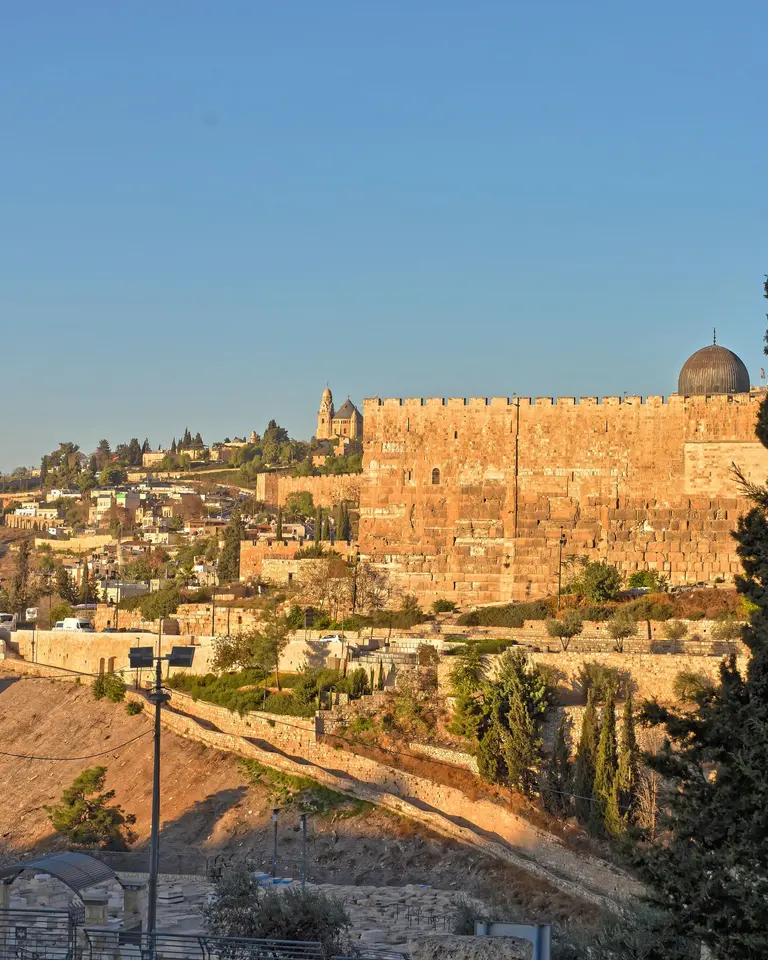
Country guide
The Holy Land
Jerusalem, Bethlehem, Nazareth and the Dead Sea: our Holy Land guide covers entry rules, climate and food, with the official safety advice to check first.
Read the guide
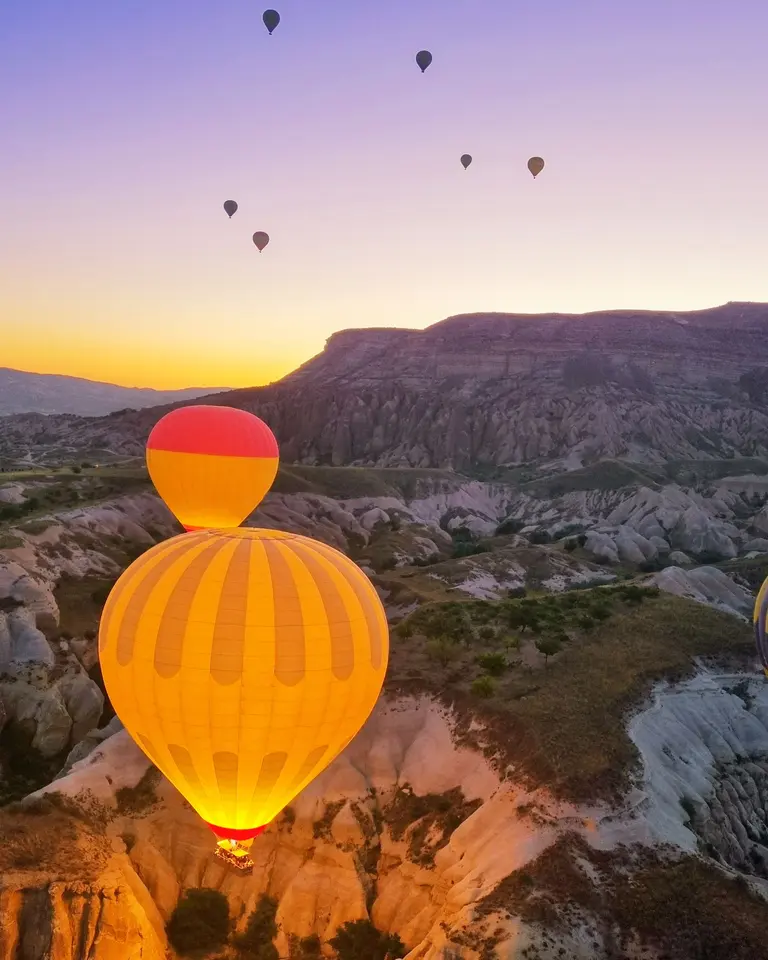
Country guide
Turkey
Istanbul, Cappadocia, Ephesus and Pamukkale: sites, religion, language, food, climate, entry rules and safety advice for planning a first trip to Turkey.
Read the guide
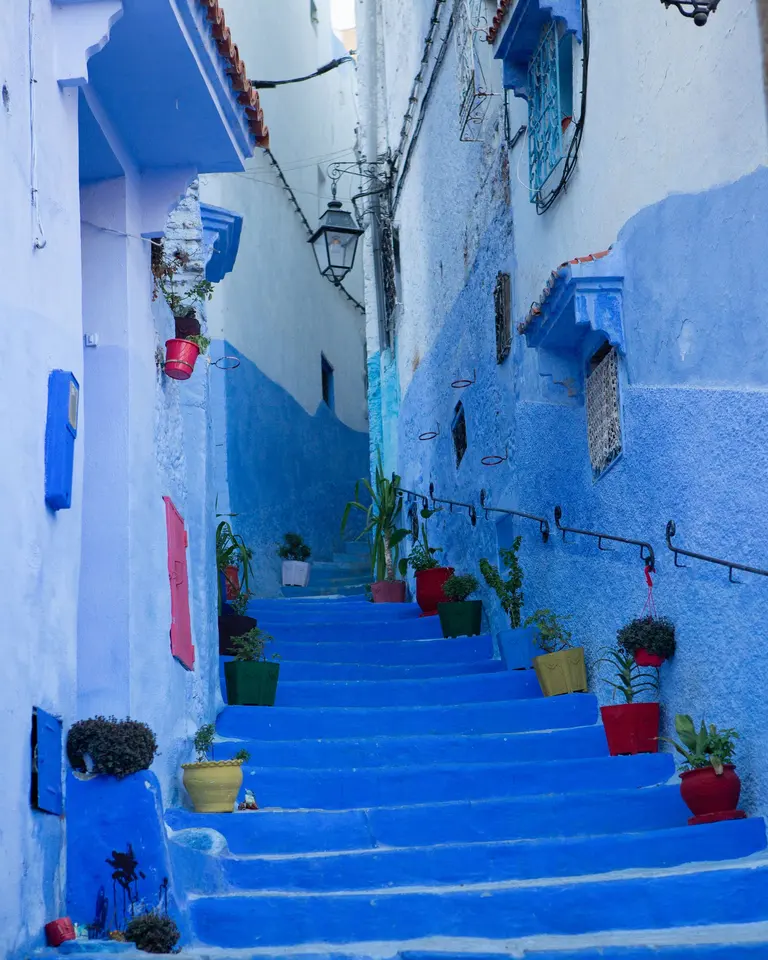
Tailor-made travel
Morocco
Medinas, the Atlas and the desert: Morocco at a glance, with entry rules, languages, climate and tips, then your tailor-made trip request by email.
Discover the country
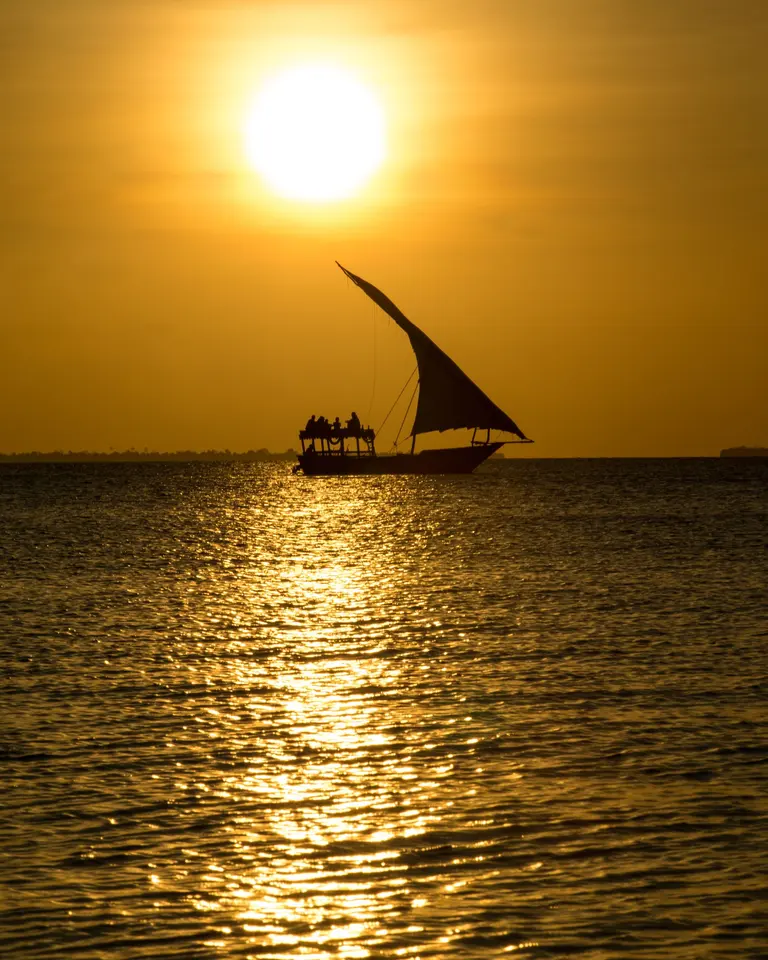
Tailor-made travel
Tanzania
The Serengeti, Kilimanjaro and the beaches of Zanzibar: Tanzania at a glance, with entry rules, languages, climate and tips for a tailor-made trip.
Discover the country
Tailor-made travel
Kenya
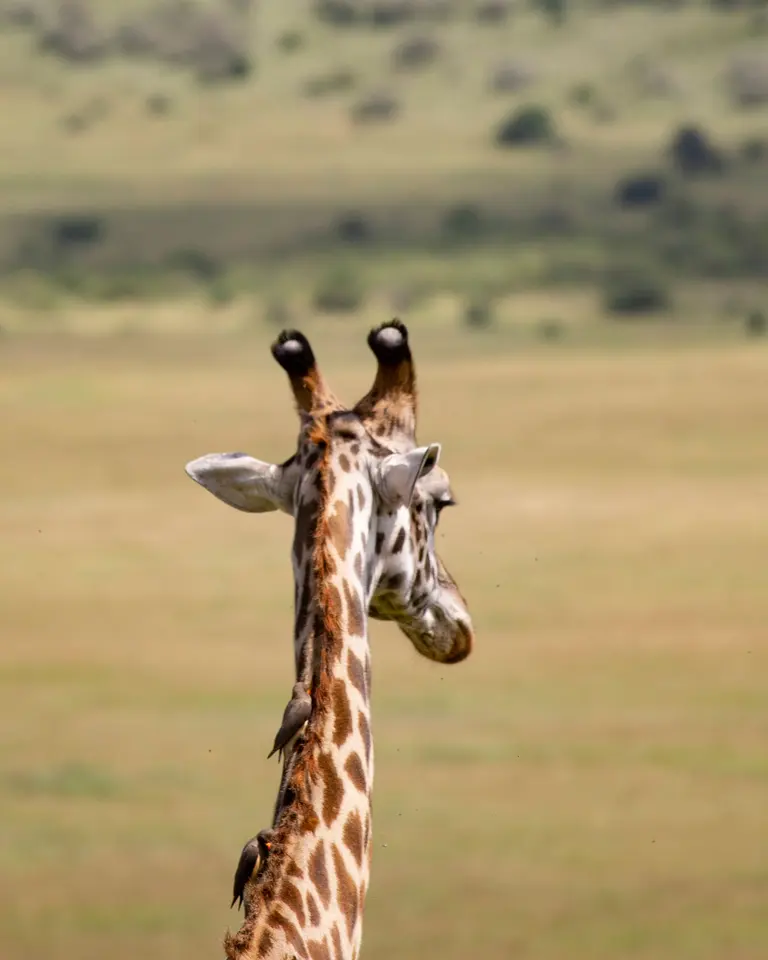
Masai Mara safaris, the Swahili coast and the Indian Ocean: Kenya at a glance, with entry rules, languages, climate and tips for a tailor-made trip.
Discover the country
Country guide
Egypt
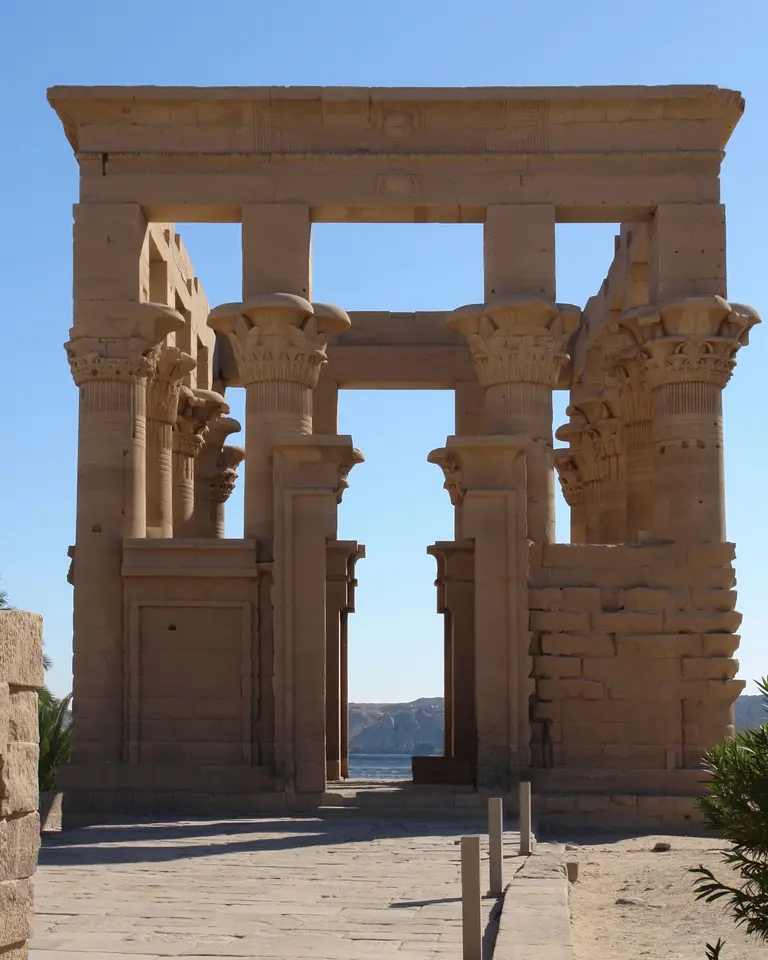
Pyramids, Nile temples, the White Desert and the Red Sea: our Egypt guide covers visas, climate, language, food and the sites of a first journey.
Read the guide


