
Jerusalem, Bethlehem, Nazareth and the Dead Sea: our Holy Land guide covers entry rules, climate and food, with the official safety advice to check first.
The country
Between the Mediterranean and the Jordan, barely 60 km separate Tel Aviv from the walls of Jerusalem, while the Rift Valley drops to the Dead Sea, more than 430 m below sea level. Land of the kingdoms of Israel and Judah, then Roman, Byzantine, Arab, Crusader and Ottoman, it saw the State of Israel founded in 1948 as some 700,000 Palestinians lost their homes. Israel has controlled the West Bank since 1967; the Palestinian Authority administers parts of it.
Israel has about 10.2 million inhabitants, the West Bank some 3.4 million. Jerusalem's status remains disputed: Israel regards the city as its capital, while Palestinians claim its eastern part. As of 31 October 2026, the UK advises against travel to specific areas, the US asks travellers to reconsider travel, France advises against Israel, Jerusalem and the West Bank unless essential, and Spain against all travel. All four advise against Gaza. Check your own foreign ministry before booking.
At a glance
- Areas covered
- Israel and Palestine (West Bank)
- Main cities
- Jerusalem (disputed status), Tel Aviv, Haifa, Bethlehem
- Population of Israel
- 10.2 million (CBS, 2026)
- Population of the West Bank
- 3.4 million (PCBS, end of 2025)
- Languages
- Hebrew, Arabic; English widely spoken
- Currency
- New shekel (ILS); West Bank also uses JOD
- Time zone
- UTC+2, UTC+3 in summer
- Dialling codes
- +972 (Israel), +970 (Palestine)
- Electricity
- 230 V, type C and H plugs
The Holy Land
Sights and visits
Old City of Jerusalem
Inside its Ottoman walls, on the UNESCO list since 1981, lie the Holy Sepulchre, the Western Wall and the esplanade Muslims call Haram al-Sharif and Jews the Temple Mount.
Mount of Olives
Come at sunrise for the view over the whole Old City, then walk down past the Garden of Gethsemane to the Church of All Nations, completed in 1924.
Bethlehem
Ten kilometres south of Jerusalem, beyond a checkpoint, you stoop through a doorway barely 1.2 m high into the Church of the Nativity, UNESCO-listed since 2012.
Jericho and the Jordan
In Jericho, Tell es-Sultan, UNESCO-listed in 2023, holds over ten thousand years of settlement; ten kilometres east, Qasr al-Yahud marks the traditional site of Christ's baptism on the Jordan.
The Dead Sea
More than 430 m below sea level, water almost ten times saltier than the ocean holds you afloat without effort; keep your head and eyes clear of it.
Masada
Herod's clifftop fortress, UNESCO-listed in 2001, looms over the Dead Sea; climb the Snake Path, open an hour before sunrise, or ride the cable car.
Nazareth
In Israel's largest Arab city, the Basilica of the Annunciation, consecrated in 1969, shelters the grotto where Catholic tradition places the angel's message to Mary.
Sea of Galilee
Some 210 m below sea level, its shores hold Capernaum, Tabgha with its fifth-century mosaic of loaves and fishes, and the Mount of Beatitudes.

The Holy Land on the map
Religion
Jerusalem is holy to Jews, Christians and Muslims, and six churches (Greek Orthodox, Latin, Armenian, Coptic, Ethiopian and Syriac) share the Holy Sepulchre. In Israel roughly three in four people are Jewish and one in five Arab, mostly Muslim, alongside some 184,000 Christians and 150,000 Druze; the West Bank is overwhelmingly Sunni Muslim, with 40,000 to 45,000 Christians. Shabbat, from Friday to Saturday evening, halts trains and Jewish-owned shops; during Ramadan, avoid eating in public in Muslim neighbourhoods.
Language
Hebrew, revived as a spoken language in the late 19th century, is Israel's state language; Arabic has held a special status there since 2018 and remains the language of Palestine. Both run right to left. Russian is common, a legacy of 1990s immigration from the former Soviet Union. English works everywhere in tourism, from trilingual road signs to menus, and you will hear French in religious communities and among Israelis who moved from France.
A few useful words
- Hello, goodbye, peace (Hebrew)
- Shalom
- Thank you very much (Hebrew)
- Toda raba
- Please (Hebrew)
- Bevakasha
- Hello (Arabic)
- Marhaba
- Thank you (Arabic)
- Shukran
Food and drink
The food draws on a shared Levantine larder of chickpeas, tahini, olive oil and za'atar, enriched by Jewish cooks from North Africa, Iraq and Central Europe. Many Jewish restaurants are kosher, which means no meat with dairy, and many close for Shabbat. Tap water is safe in Israel; in the West Bank, stick to bottled water and keep alcohol to hotels, bars and restaurants. Try Taybeh beer and wines from Galilee or the Cremisan monastery.
What to try
Hummus
Chickpea and tahini purée, served warm from breakfast onwards and scooped up with pitta.
Musakhan
Roast chicken on taboon bread under onions slow-cooked with sumac, a Palestinian signature dish.
Maqluba
Rice, aubergine and chicken cooked in layers, then turned out upside down at the table.
Sabich
Pitta stuffed with fried aubergine, boiled egg, tahini and mango amba, brought by Iraqi Jews.
Knafeh
A Nablus speciality: soft cheese under a crisp semolina crust, soaked in syrup.
Climate
Summers are dry from May to October and rain falls from November to March. Jerusalem, at 800 m, averages highs of about 30°C in August and 13°C in January, with cool nights and the odd snowfall; Tel Aviv stays humid in summer and mild in winter. Down in the Rift Valley, in Jericho, Tiberias or by the Dead Sea, average highs reach 38°C in July and August. Pack linen or cotton that covers shoulders and knees, a hat, plenty of water, and a warm jacket for Jerusalem in winter.
Best time to goApril to May and October bring highs of 22 to 27°C in Jerusalem and a bearable Dead Sea, though Easter and the major Jewish holidays fill hotels early.
The Holy Land
Practical information
Entry requirements
EU, UK, Swiss, Canadian and US citizens enter visa-free for 90 days but need a paid ETA-IL, valid two years, applied for before the flight, ideally 72 hours ahead according to Canada, on the official site only, israel-entry.piba.gov.il. The FCDO and Canada ask for 90 days' passport validity beyond arrival, France and Spain six months; aim for six months beyond your return. Ben Gurion no longer stamps passports: keep the blue entry card for checkpoints. Check with the Israeli embassy before you go.
Health
No vaccinations are required; bring routine jabs up to date, measles included, and ask about hepatitis A. Mosquitoes carry West Nile fever, so pack repellent. Treatment is expensive and hospitals insist on payment: take out insurance covering medical care and repatriation. In an emergency, dial 101 for an ambulance and 100 for the police.
Money and tipping
The new shekel (ILS) is used in Israel and the West Bank, where Jordanian dinars and US dollars also circulate. Cards and contactless payment work almost everywhere in Israel; carry cash for small shops in Bethlehem or Jericho. Restaurants rarely include service, so leave 10 to 15%.
Customs and dress
Cover shoulders and knees at holy sites; at the Western Wall, men and women pray in separate sections and men cover their heads. Non-Muslims reach the Haram al-Sharif, or Temple Mount, only through the Mughrabi Gate, at limited hours, and may not enter the mosques. Never photograph soldiers or military sites, and ask before photographing people in religious neighbourhoods.
Getting around
Trains link Ben Gurion airport with Tel Aviv and Jerusalem, except from Friday afternoon to Saturday evening, when most buses stop too. Allow for queues at Checkpoint 300 into Bethlehem. Cars hired in Israel are usually not insured in the West Bank, and Israeli citizens may not enter Area A, which includes Bethlehem and Jericho, so tours often change guide there. The three crossings from Jordan can close without notice.
Safety
As of 31 October 2026, the UK's FCDO advises against all travel to Gaza, the northern West Bank and the northern border, but not to Jerusalem, Bethlehem or Jericho. The US rates Israel and the West Bank Level 3, 'Reconsider travel', and northern Israel, including the north shore of the Sea of Galilee, and Gaza Level 4. France advises against Israel, Jerusalem and the West Bank unless essential, tourism included, and Spain against all travel. All warn of terrorism and rocket fire. Travelling against official advice can void your insurance: check your own foreign ministry's advice before booking and again before you leave.
The Holy Land: your questions before you go
Do I need a visa or an ETA for Israel?
You need an ETA-IL rather than a visa if your nationality is visa-exempt, as British and French citizens are. Since 1 January 2025, these travellers must obtain this electronic travel authorisation before departure, on the official Population and Immigration Authority site, israel-entry.piba.gov.il, where you can also check your eligibility. It is paid online by card and covers visits of up to 90 days for two years. Apply well before departure: Canada advises at least 72 hours. It does not guarantee entry, which immigration officers decide on arrival.
Will my passport be stamped in Israel?
No, at Ben Gurion airport you receive an entry card instead of a passport stamp. Keep it with your passport until you leave: it proves you entered legally and you will need it at checkpoints between Israel and the West Bank. Land border crossings may stamp your passport or issue a card. As for validity, the UK and Canada require 90 days beyond arrival, France six months at the date of the ETA-IL application and Spain six months after leaving Israel: aim for six months beyond your return.
Can I travel from Israel to Bethlehem and the West Bank?
Yes, Israeli authorities control access to the West Bank, and a tourist visit there is covered by the permission you receive on entering Israel. You cross through Israeli checkpoints, where you show your passport and entry card. Their opening times are unpredictable, and they may close on Israeli public holidays or at times of tension. Longer stays and work need separate authorisation. Read your own government's travel advice before you go, and again before you cross.
How do I cross between Israel and Jordan?
Through one of three land crossings: Sheikh Hussein in the north, near Beit She'an, the Allenby Bridge near Jericho, and Yitzhak Rabin between Eilat and Aqaba. At Allenby, you must already hold a Jordanian visa; at the other crossings you can usually get one on arrival, but check before you go. Opening hours vary and any crossing can close at short notice, public holidays included.
Is any vaccination required for the Holy Land?
No, neither Israel nor the Palestinian Territories require any vaccination for entry from Europe or Canada. Make sure your routine vaccines are up to date, measles included, and ask your doctor about hepatitis A and typhoid. Medical costs can be high, so travel with insurance that covers treatment, hospital stays and repatriation.
Speak to an expert
A journey arranged on request
This country has no tour online yet. Tell us your dates, your pace and what draws you: we design the itinerary, on its own or as an extension to a journey in Egypt.
More countries to discover
Country guide
Turkey
Istanbul, Cappadocia, Ephesus and Pamukkale: sites, religion, language, food, climate, entry rules and safety advice for planning a first trip to Turkey.
Read the guide
Tailor-made travel
Morocco
Medinas, the Atlas and the desert: Morocco at a glance, with entry rules, languages, climate and tips, then your tailor-made trip request by email.
Discover the country
Tailor-made travel
Tanzania
The Serengeti, Kilimanjaro and the beaches of Zanzibar: Tanzania at a glance, with entry rules, languages, climate and tips for a tailor-made trip.
Discover the country
Tailor-made travel
Kenya
Masai Mara safaris, the Swahili coast and the Indian Ocean: Kenya at a glance, with entry rules, languages, climate and tips for a tailor-made trip.
Discover the country
Country guide
Egypt
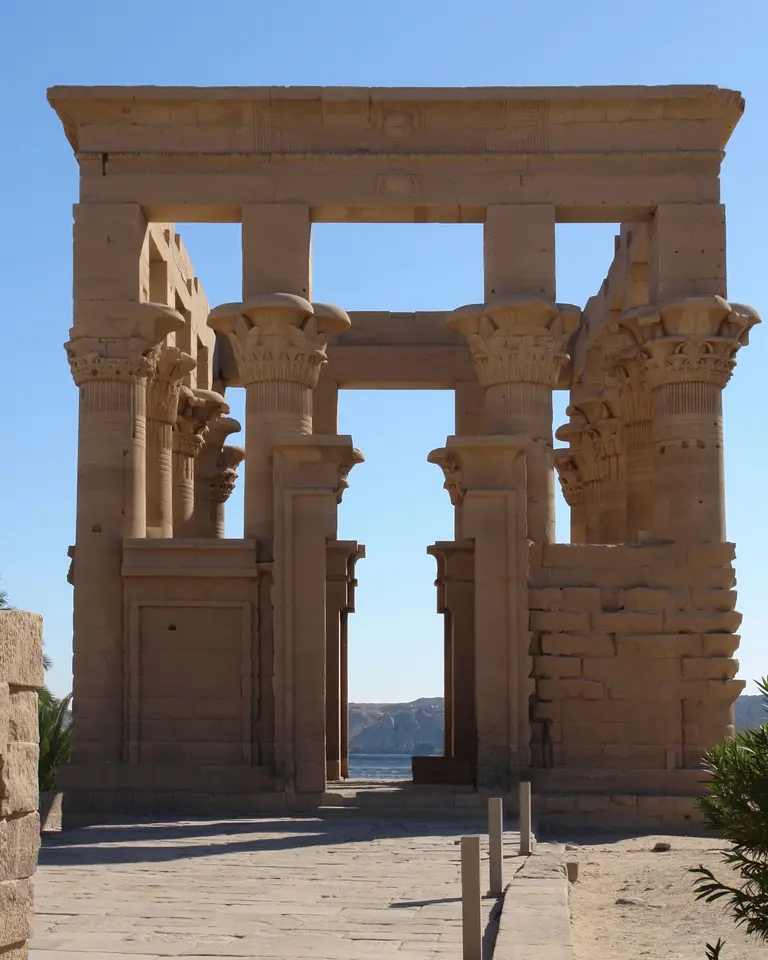
Pyramids, Nile temples, the White Desert and the Red Sea: our Egypt guide covers visas, climate, language, food and the sites of a first journey.
Read the guide
Country guide
Jordan
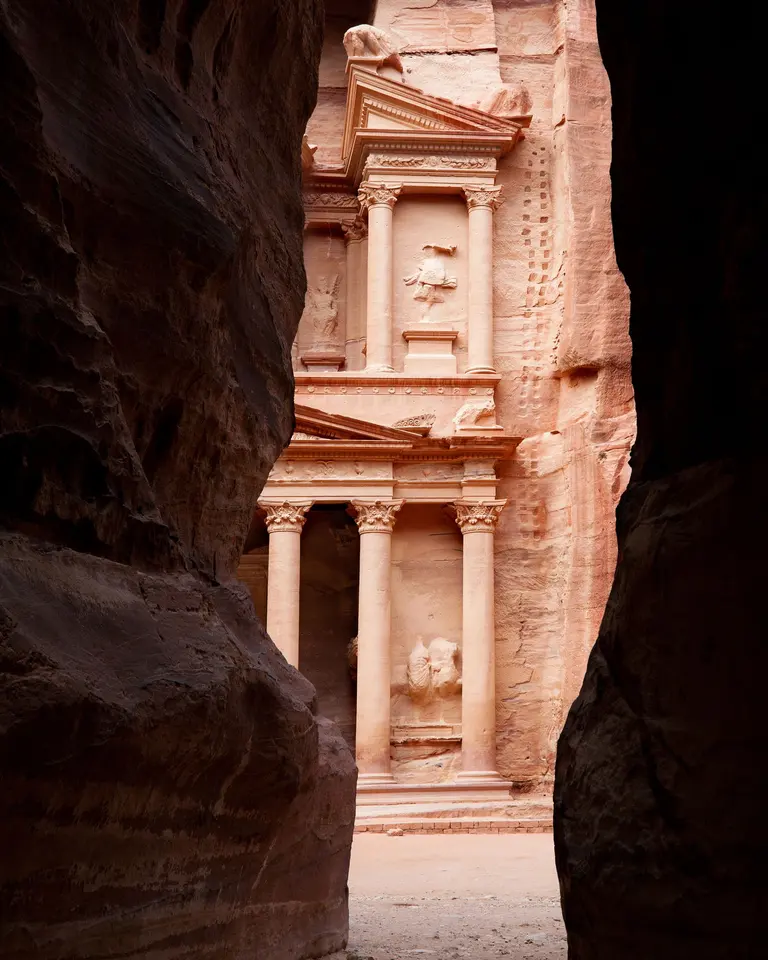
Petra and its Siq, Wadi Rum, the Dead Sea, Jerash and Amman: sites, climate, food, language, visas, the Jordan Pass and safety for planning a trip to Jordan.
Read the guide


