
Masai Mara safaris, the Swahili coast and the Indian Ocean: Kenya at a glance, with entry rules, languages, climate and tips for a tailor-made trip.
The country
Kenya has more than 53 million inhabitants and more than forty peoples, from the Kikuyu and Luo to the Maasai and Samburu, herders of the savannah. At the 2019 census, 85% of Kenyans described themselves as Christian; Islam, practised by one person in ten, shapes the coast, from Mombasa to Lamu, whose Swahili old town is a World Heritage Site. English and Swahili are the official languages. Ugali, a stiff white maize porridge, comes with sukuma wiki, sautéed greens, and nyama choma, grilled meat; chai, black tea boiled with milk, is drunk at any hour.
No set itinerary
Every journey to this country is arranged on request. Send us your dates and wishes: we reply within 24 hours.
Email us your requestKenya
Practical essentials
Entry requirements
Kenya no longer requires a tourist visa: citizens of the European Union, Switzerland, the United Kingdom, Canada and the United States apply for an Electronic Travel Authorisation (eTA) on the official site, etakenya.go.ke, at least two weeks before departure. Since 5 October 2026, the Kenyan government's travel health insurance has been mandatory: you buy it with the eTA, and your own insurance does not replace it. Your passport must be valid for six months after arrival, with blank pages (one according to the eTA site, two according to the UK). A yellow fever certificate is required if you arrive from a country at risk.
Languages spoken
English and Swahili are the official languages. English runs government, business and the lodges; Swahili is the common tongue between peoples. Each community keeps its own, Kikuyu, Luo, Kamba or Maa, the language of the Maasai, and young people in Nairobi speak Sheng, a blend of Swahili and English. Safari guides speak English; if you would like a French- or Spanish-speaking guide, say so in your request. “Jambo” for hello and “asante” for thank you open every conversation.
Climate
The equator crosses the country, but altitude tempers the heat: in Nairobi, at almost 1,800 metres, days are mild and nights cool all year round, while the coast stays hot and humid. The long rains fall from March to May, the short rains from October to December. The dry season, from June to September, is the best time for safaris, and from July to October the great wildebeest migration crosses the Mara River. January and February, hot and dry, suit both safaris and the beach.
Travel advice
Read your government's travel advice before you book and again before you leave: it warns against the areas bordering Somalia and the mainland part of Lamu County, and follows the health situation, including the Ebola alert over cases confirmed in the country since October 2026. Malaria prevention is advised for the parks and the coast; drink bottled water. Plastic bags are banned, so leave them at home. Ask before photographing anyone, and never photograph government buildings. M-Pesa mobile payment is everywhere, cards work in the lodges, and tipping your guide is customary on safari.

Kenya on the map
Kenya: your questions before you go
Do I need a visa for Kenya?
Not a visa, but an electronic travel authorisation, the eTA, is compulsory. Apply on the official site, etakenya.go.ke, and have it ready before you board. In a group, each traveller submits their own application. The Kenyan authorities recommend applying at least two weeks before departure: processing usually takes three working days, sometimes longer. Payment is made online.
What documents do I need for Kenya's eTA?
A passport valid for six months after arrival, with blank pages: the eTA site asks for one, the UK government for two, so allow two. You will also need a passport-style photo or a selfie, an email address and phone number, an itinerary showing your arrival and departure dates, and confirmation of where you are staying; the exact list of documents is on etakenya.go.ke. Keep the approved eTA to hand for boarding.
Is Kenya's travel health insurance compulsory?
Yes, since 5 October 2026 most visitors must hold the travel health insurance provided by the Kenyan government. You buy it during your eTA application; if you already have an eTA, use the insurance.ecitizen.go.ke portal. Foreign policies are not accepted in its place. It lasts 90 days and allows multiple entries. Keep your own insurance as well, covering medical costs and repatriation.
Is yellow fever vaccination compulsory for Kenya?
Yes, if you arrive from a country with a risk of yellow fever transmission, you must show an international vaccination certificate. Travellers coming straight from Europe or North America are not required to have one, but the disease is present in central and western Kenya and vaccination is strongly recommended, at an approved centre. If you continue to Tanzania, you will need the certificate there, because you will be arriving from Kenya.
Speak to an expert
Your tailor-made journey
Tell us when you plan to travel, how many of you there are, what draws you and the budget you have in mind. The email opens with these questions already written: all you need to do is answer them.
If your email app does not open, write to us at booking@solviatours.com
Write to us · WhatsApp +20 111 112 3044
Reply within 24 h · 7 days a week
More countries to discover
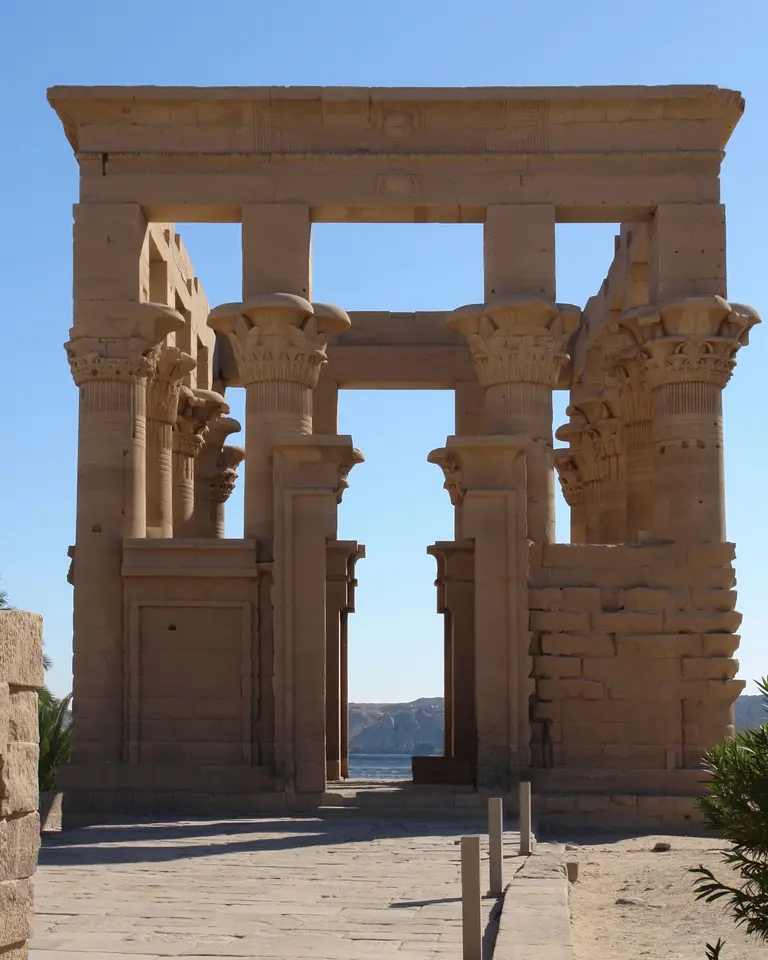
Country guide
Egypt
Pyramids, Nile temples, the White Desert and the Red Sea: our Egypt guide covers visas, climate, language, food and the sites of a first journey.
Read the guide
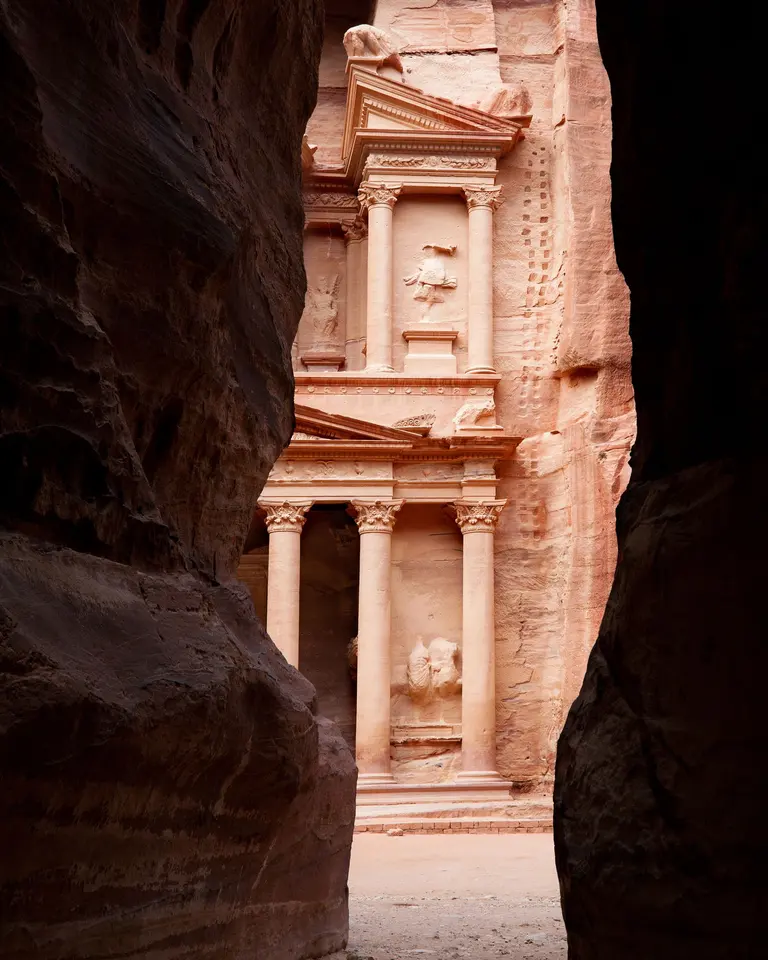
Country guide
Jordan
Petra and its Siq, Wadi Rum, the Dead Sea, Jerash and Amman: sites, climate, food, language, visas, the Jordan Pass and safety for planning a trip to Jordan.
Read the guide
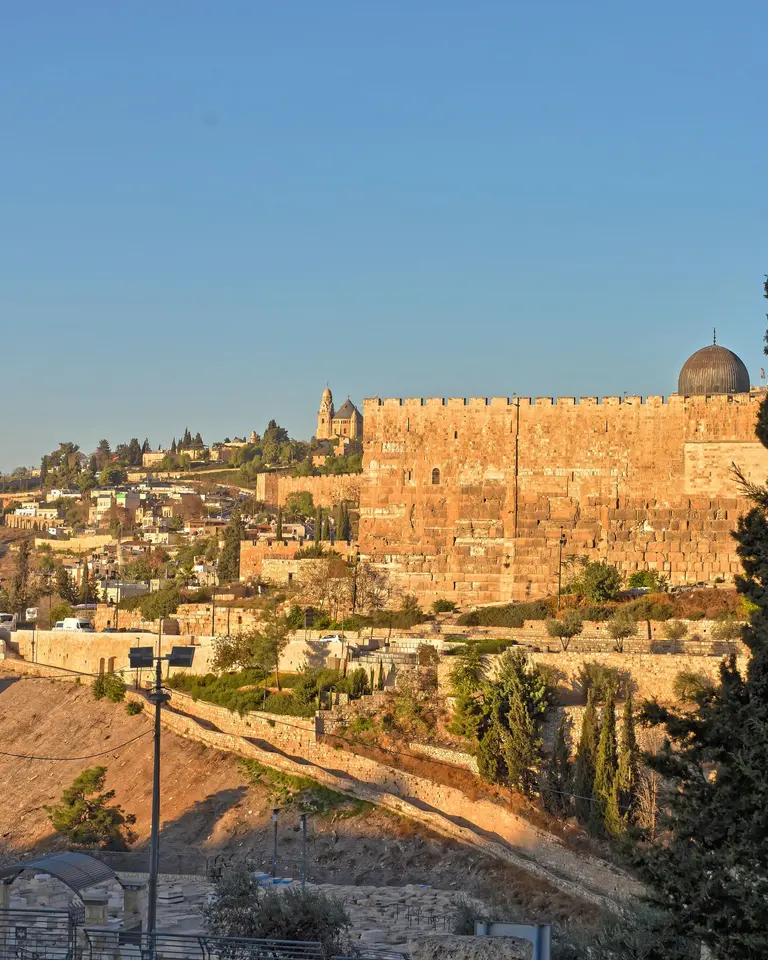
Country guide
The Holy Land
Jerusalem, Bethlehem, Nazareth and the Dead Sea: our Holy Land guide covers entry rules, climate and food, with the official safety advice to check first.
Read the guide
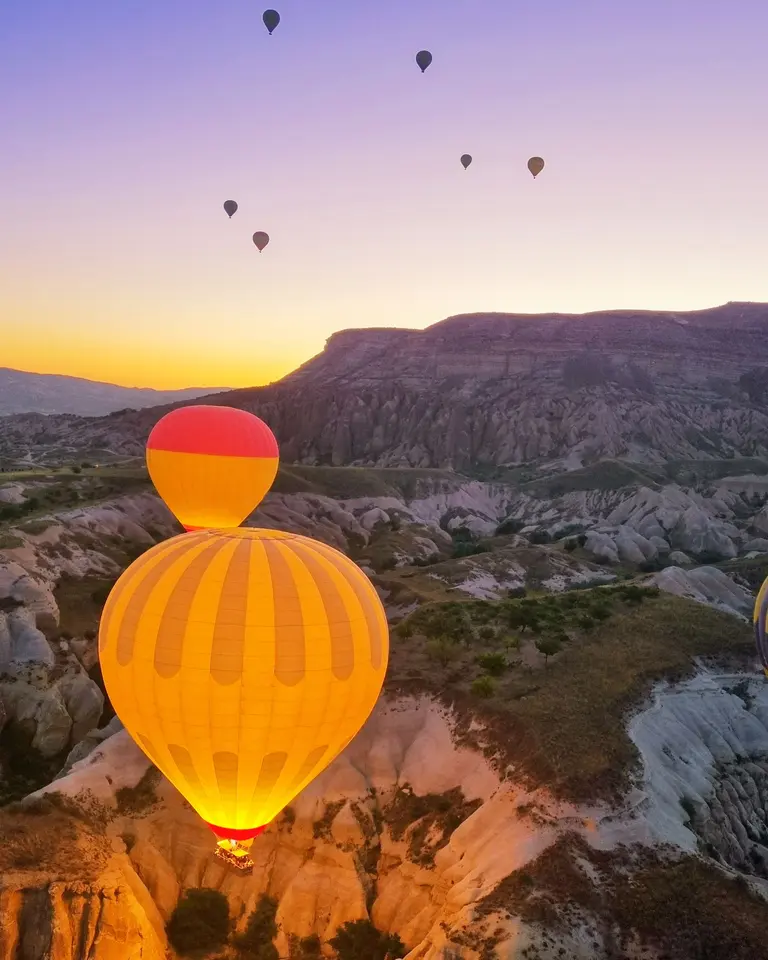
Country guide
Turkey
Istanbul, Cappadocia, Ephesus and Pamukkale: sites, religion, language, food, climate, entry rules and safety advice for planning a first trip to Turkey.
Read the guide
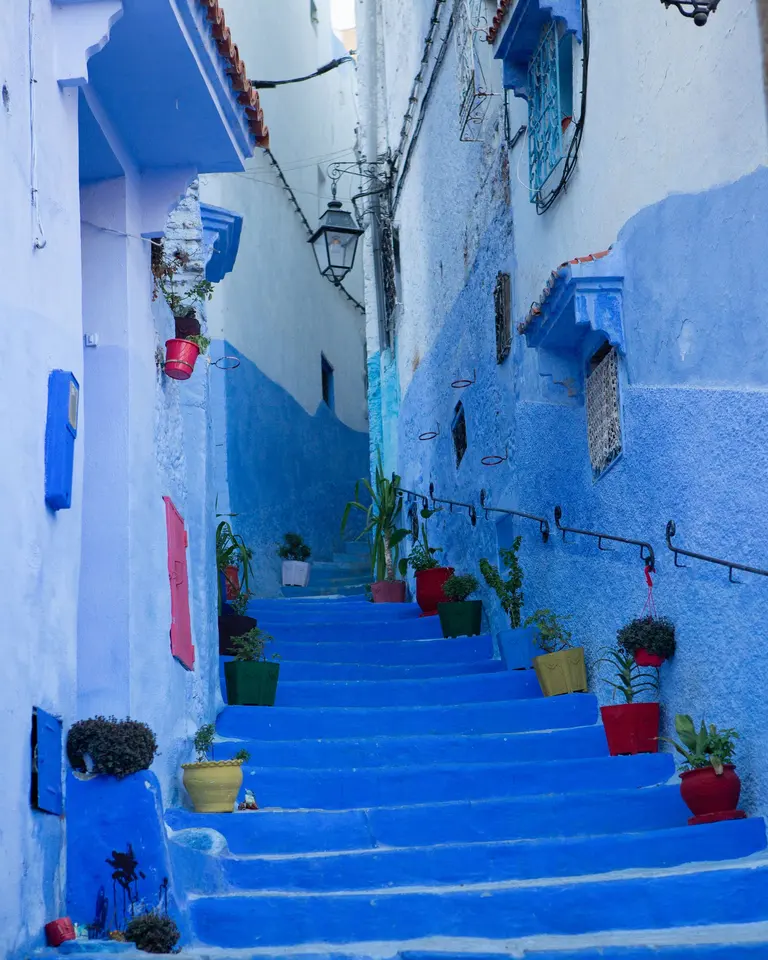
Tailor-made travel
Morocco
Medinas, the Atlas and the desert: Morocco at a glance, with entry rules, languages, climate and tips, then your tailor-made trip request by email.
Discover the country
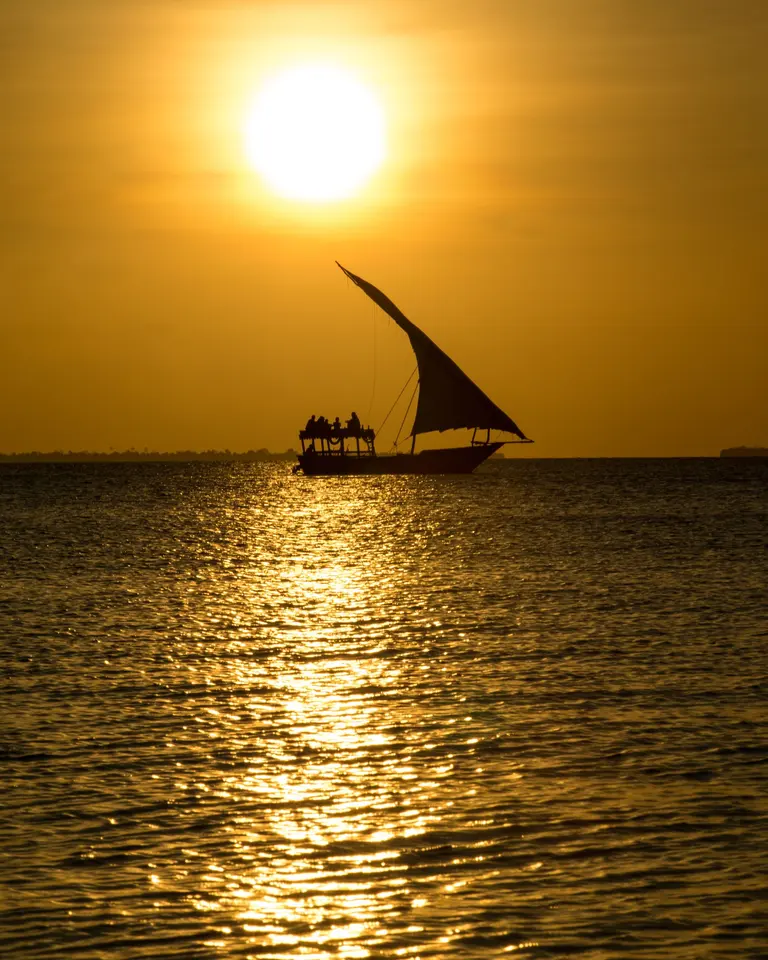
Tailor-made travel
Tanzania
The Serengeti, Kilimanjaro and the beaches of Zanzibar: Tanzania at a glance, with entry rules, languages, climate and tips for a tailor-made trip.
Discover the country


